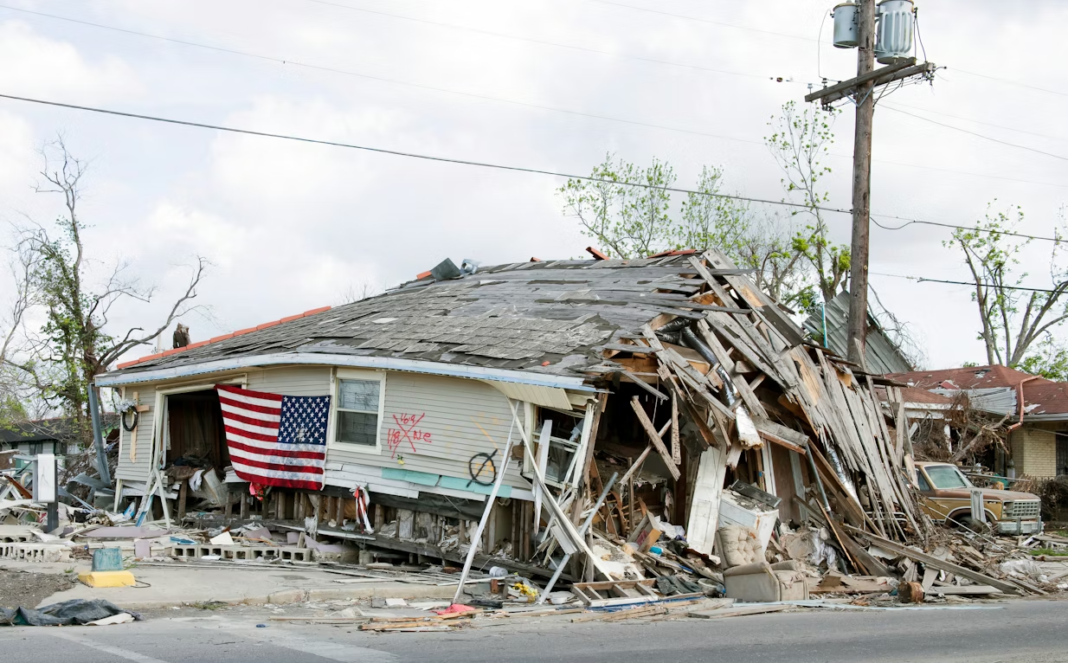

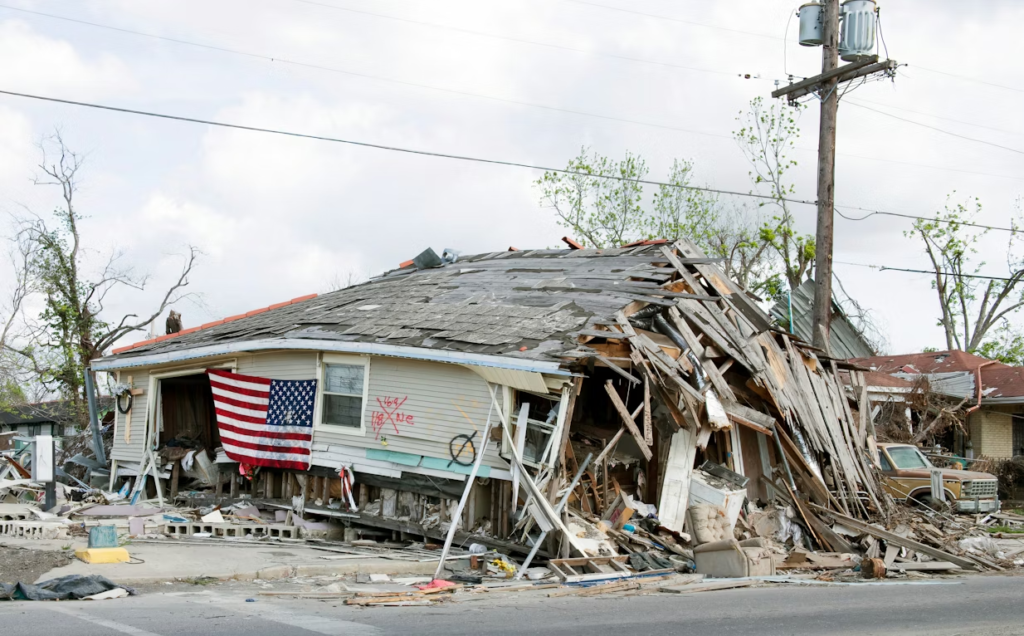
Natural disasters are sudden, stressful, and costly, but you can lower the risk with a clear plan. Focus on what fails first in most homes and strengthen those weak links. Simple upgrades and routines add up to real protection when the weather turns violent. Build momentum by tackling one small task each week so the work never feels overwhelming.
Know your local risks
Start by mapping the hazards in your area. Hurricanes, floods, wildfires, tornadoes, and winter storms demand different defenses, so list the top two you face most often. Check local history, soil type, floodplains, tree cover, roof age, and drainage to set priorities. Talk with neighbors about past events and find out how long utilities usually stay down after a major storm.
Walk the property with a phone or a notebook and capture photos of potential trouble spots. Note low door thresholds, cracked caulk, loose siding, and leaning fences. Mark power lines, big limbs over the roof, and anything that could become windborne. Keep a running list, then group fixes by cost and effort to build a simple plan.
Fortify the building envelope
The exterior skin of your house keeps wind and water out, so treat it like a system. For openings, consider expert hurricane impact windows and doors Miami solutions as part of a broader plan that includes reinforced frames and proper flashing. Add high-quality sealants, update weatherstripping, and keep weep holes clear so water has a way out.
Secure roofs, doors, and the garage
A roof that stays attached protects everything below it. Ask a qualified pro to check fastener patterns, edge metal, underlayment, and any soft spots around penetrations. Upgrade to ring-shank nails or screws where allowed, and add sealed roof deck tape to block driven rain. When reroofing, choose rated assemblies and ensure soffits are tightly fastened to resist uplift.
Doors often fail at the hinges or latches, so install long screws into the wall framing and use heavy-duty strike plates. For the garage, add a wind-rated door or a bracing kit that stiffens panels and tracks. A stronger garage door reduces the chance of rapid pressure changes that can blow out interior walls. A county guidance notes that each impact window or glass door in the High Velocity Hurricane Zone must have a current Notice of Acceptance and Florida product approval, and a national resilience program advises upgrading to impact-rated windows or adding hurricane shutters to keep the building envelope intact during the next storm.
Manage water on your lot
Water is relentless, but it follows the path you give it. Clean gutters twice a year and extend downspouts at least 6 feet from the foundation. Regrade soil to create a gentle slope away from the house and use splash blocks where paving ends. Add gravel trenches or French drains where water pools, and keep yard debris out of swales so flow remains clear.
If you live near a flood zone, document valuables and elevate utilities above projected levels. Add backflow valves, install sump pumps with battery backups, and keep sandbags or water dams ready before a storm watch. Test your generator under load and store fuel safely in approved containers. Photograph rooms before a storm to help prove the condition if you need to file a claim later.
Build a disaster kit and home checklist
Supplies buy you time when services are down. A nationwide relief group advises keeping water, nonperishable food, first aid, flashlights, batteries, chargers, and essential meds in a single location that is easy to grab. Rotate items twice a year and label everything by date. Store the kit in a dry interior closet near your most used exit.
Use this quick list to round out your kit and routine:
- Copies of IDs, insurance, and prescriptions in sealed bags
- Cash in small bills and a basic toolkit
- N95 masks, gloves, and sturdy shoes
- Pet supplies, baby items, and comfort gear
- Paper maps and a battery radio
- Spare eyewear and hygiene items
Create a plan for people and pets
Talk through simple roles so everyone knows what to do. Decide who grabs the kit, who secures windows, and who contacts neighbors. Pick two meeting spots, one near home and one outside your neighborhood, and share them with extended family. Save your plan in the cloud and print a copy for your fridge.
Store key numbers in phones and on paper. Practice turning off water, gas, and power at the main shutoffs, and keep the right wrenches near the valves. Check on elderly relatives, mobility needs, and pet carriers well before storm season. Do a 10-minute drill once a month to make the routine feel normal rather than scary.
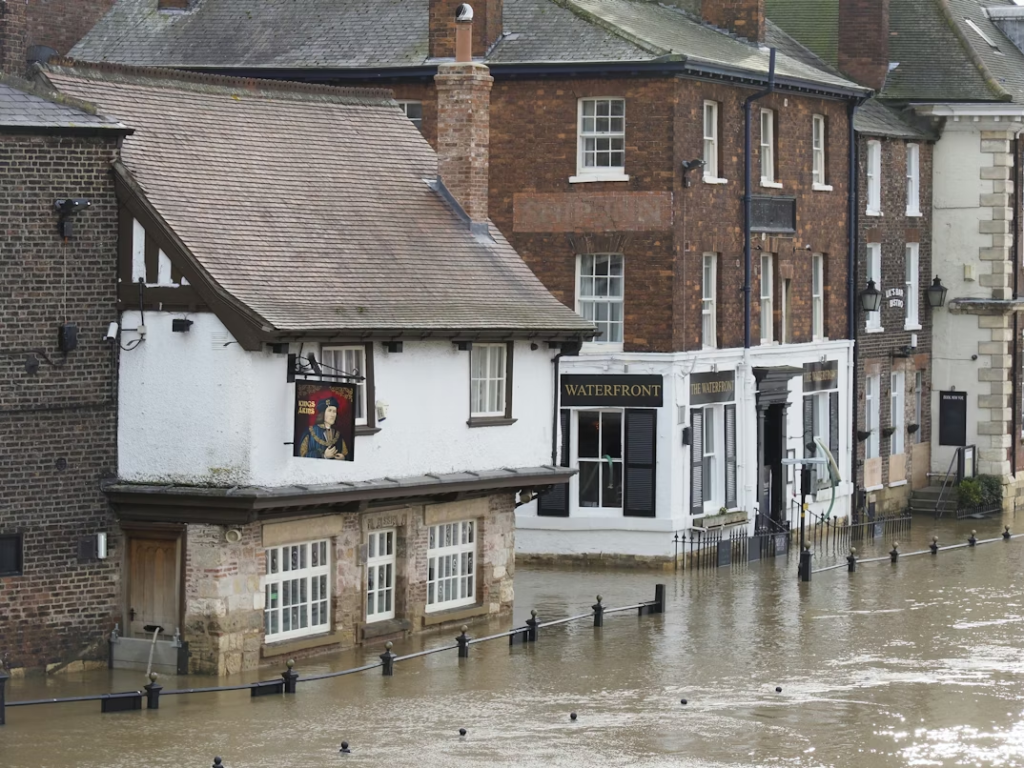
Small steps done consistently add up to a safer home. Start now, keep records, and revisit your plan before each new season.