

Photo Source
Seasonal breaks often take shape through repetition rather than intention. A certain week opens up each year, bags get packed in a familiar order, and time away begins to follow a recognizable pattern. After some time, this repetition creates meaning. The calendar itself starts to carry expectation, and the trip becomes part of how a family measures the year rather than a one-off event.
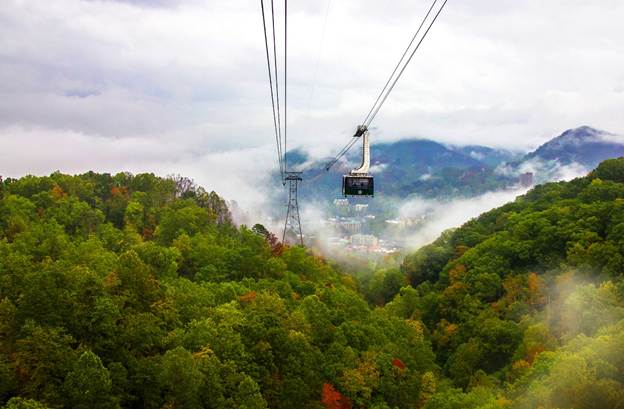
Visiting Gatlinburg often becomes the perfect seasonal break for many families. The destination becomes familiar through repeated arrivals, familiar roads, and places that feel known rather than new. Over the years, the setting becomes linked to shared time rather than novelty. This familiarity allows seasonal travel to settle into family life in a way that feels stable and enduring.
Same Setting
Returning to the same vacation setting year after year allows traditions to form without effort. Familiar surroundings remove the need for adjustment, letting family members move directly into a routine that already feels established. Time gets spent together rather than spent figuring things out. This consistency becomes part of the experience itself.
Staying in condos in Gatlinburg TN often supports this kind of continuity, particularly for families who value space and routine. Locations such as Oak Square Condominiums provide a setting that feels lived-in rather than temporary. Separate rooms, shared living areas, and predictable layouts allow families to settle in quickly.
Shared Planning
Trip planning often changes hands gradually. One person may handle reservations early on, while others take on small roles over time. Someone remembers which week works best. Someone else suggests what to bring or where to stop along the way. Responsibilities spread naturally as familiarity grows.
This shared involvement strengthens the tradition. Planning becomes a collective process rather than a task handled by one person. Each contribution reinforces the connection to the trip itself.
Familiar Ground
Knowing what the mornings feel like, how the days unfold, and where time naturally slows creates a shared understanding among family members. There is comfort in knowing what lies ahead without needing to discuss it.
Children anticipate certain activities. Parents know which moments feel calm and which feel busy. The setting provides a backdrop that allows attention to stay on the shared experience rather than logistics.
Local Favorites
Establishing favorite local spots plays a quiet role in building tradition. A breakfast place visited every year, a walking route taken each season, or a small shop revisited out of habit adds texture to the trip. Such places become markers of time.
Returning to the same locations builds continuity. Each visit carries memories from previous years while adding new ones. The experience deepens without needing change. As such, these spots become inseparable from the trip itself, remembered alongside family conversations and shared routines.
Evolving Routines
Keeping traditions intact while updating routines allows seasonal travel to remain relevant across years. Small adjustments happen naturally. Schedules change. Interests develop. Activities shift slightly while the overall structure remains familiar.
This flexibility allows the tradition to grow with the family. Familiar timing and setting stay in place while daily details adjust to current needs. In this way, the trip continues to feel meaningful without feeling rigid.
Organic Traditions
Some family traditions take shape without anyone deciding to create them. A trip happens once, then again, and eventually the repetition settles into something expected. No announcement marks the moment it becomes tradition. Recognition comes later, often in hindsight, when a season feels incomplete without that familiar time away.
Organic traditions grow through repetition and comfort. Familiar timing, familiar packing habits, and familiar conversations during travel begin to feel automatic. Family members start to plan around the trip without discussing it directly. The tradition holds because it fits naturally into the year rather than because it was designed to hold a place there.
Continuity Across Years
Seasonal breaks that repeat over long periods offer continuity in a world that often feels busy and fragmented. The predictability of returning to the same place allows family members to reconnect with earlier versions of themselves and one another. Familiar settings hold space for reflection without requiring discussion.
Continuity supports presence. Without the pressure of novelty, attention stays on shared time. Conversations unfold at a slower pace. Silence feels comfortable rather than awkward. Over the years, this continuity becomes a stabilizing element within family life, offering a reliable pause that feels grounded and familiar.
Memory as Structure
Memory gives structure to repeated travel experiences. Each visit builds upon previous ones, adding detail and depth. A place begins to hold layers of meaning that extend beyond the physical setting. Rooms, streets, and routines carry associations that resurface automatically.
This layered memory supports connection across time. Family members remember not just the destination, but earlier trips, past conversations, and shared experiences that took place there. The setting becomes a container for memory, holding moments from different years in the same physical space. Over time, that accumulation gives the seasonal break emotional weight without requiring explanation.
Seasonal breaks become family traditions through repetition, familiarity, and shared presence. Returning to the same place year after year allows meaning to build gradually, shaped by routine rather than design. Familiar settings support continuity while allowing room for change, giving families a stable reference point across time. Traditions formed this way tend to endure because they merge into family life. The value comes from shared experience, memory, and routine rather than novelty.

