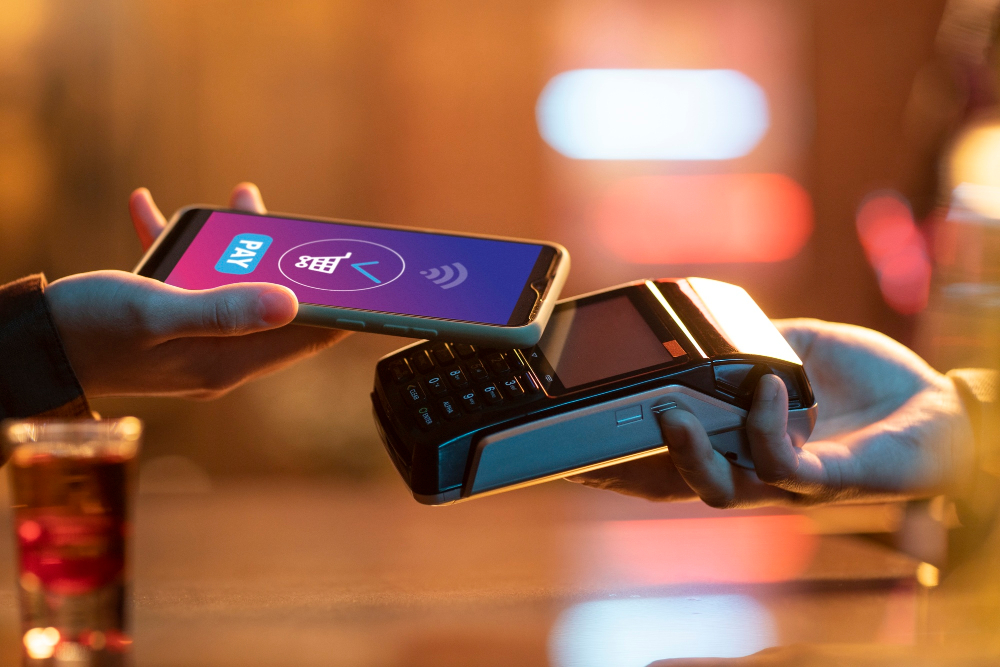
Local businesses across Yonkers are encountering a rapid change in how customers want to pay. Tap-to-phone systems, mobile apps, and QR‑based checkouts have moved from novelty to expectation, pushing shops and service providers to modernise. The shift has become especially noticeable over the past year as residents lean more heavily on digital tools for day‑to‑day transactions.
Between Traditional Payments to Innovative Approaches
Yonkers is similar to any other US town when it comes to adopting and accepting digital payments. For instance, crypto debit cards are accepted wherever regular bank cards are allowed. So, in most stores in Ridge Hill, buyers will be able to pay with their crypto cards.
Some other entertainment venues still haven’t adopted the use of digital wallets or cryptocurrencies. The Empire City Casino accepts only traditional bank cards and mobile wallets. While you can fund your bankroll using a crypto debit card as long as it’s connected to Visa or Master, it’s not possible to pay using your crypto wallet directly.
However, when in Yonkers, you can still access some online platforms, where crypto payments are possible for casino gaming. For those curious about how these systems work in leisure contexts, guides such as the one compiled by Escapist Magazine illustrate the broader trend toward digital-first transactions. This matters because comfort with these tools often shapes how easily people take up similar methods when dealing with local stores or public services.
Local Businesses in Yonkers Expand Cashless and Contactless Payment Options
Independent shops from McLean Avenue to Nepperhan are now weighing whether staying cash‑friendly is enough. Many owners say customers are asking for more choice, but the upgrade costs can be difficult for smaller operations. That helps explain why industry data shows nearly 70% of online adults have used digital payment methods recently, yet fewer than 60% of small businesses accept digital wallets, according to figures reported by Research and Markets. Local owners say this gap reflects the reality on the ground—interest is there, but many are upgrading systems step by step.
City Agencies Explore Modernised Payment Systems for Public Services
Inside municipal departments, the conversation is shifting from whether to modernise to how quickly upgrades can be rolled out. Parking payments, permit requests, and utility fees are among the services under review. Officials say that as more residents manage finances online, the city must keep pace or risk frustrating users who now expect immediate confirmation and digital receipts.
One growing influence is the rise of cross‑border digital wallet use. National data showing that 63% of Americans now use digital wallets for cross-border transactions, as detailed by PYMNTS Intelligence, signals a wider comfort with sophisticated digital tools. Staff overseeing payment systems say this familiarity lowers the barrier to adopting similar methods in municipal settings.
Residents Adjust to New Digital Tools, From Mobile Banking to Online Platforms
For many Yonkers residents, digital payments have become part of daily routines—managing rent through banking apps, settling school fees online or using mobile wallets for smaller purchases. These habits have made the idea of cashless systems feel less intimidating, especially for younger families. Still, community groups note that seniors and lower‑income households may need clearer guidance to avoid being left behind as services transition.
Some residents say their first experiences with digital payments came through entertainment platforms, streaming subscriptions or app‑based services that simplified the process. That familiarity has made it easier for them to navigate more complex systems such as municipal portals or transit apps.
What These Trends Signal for Yonkers’ Economic and Civic Infrastructure in 2026
By early 2026, the question for Yonkers is no longer whether digital payments will dominate but how smoothly the city can integrate them into public life. Businesses stand to gain faster checkouts and better customer flow, while residents could see more reliable service options across neighbourhood departments. As adoption spreads, the city’s challenge will be balancing innovation with accessibility, ensuring no community is sidelined as Yonkers moves further into a digital-first economy.