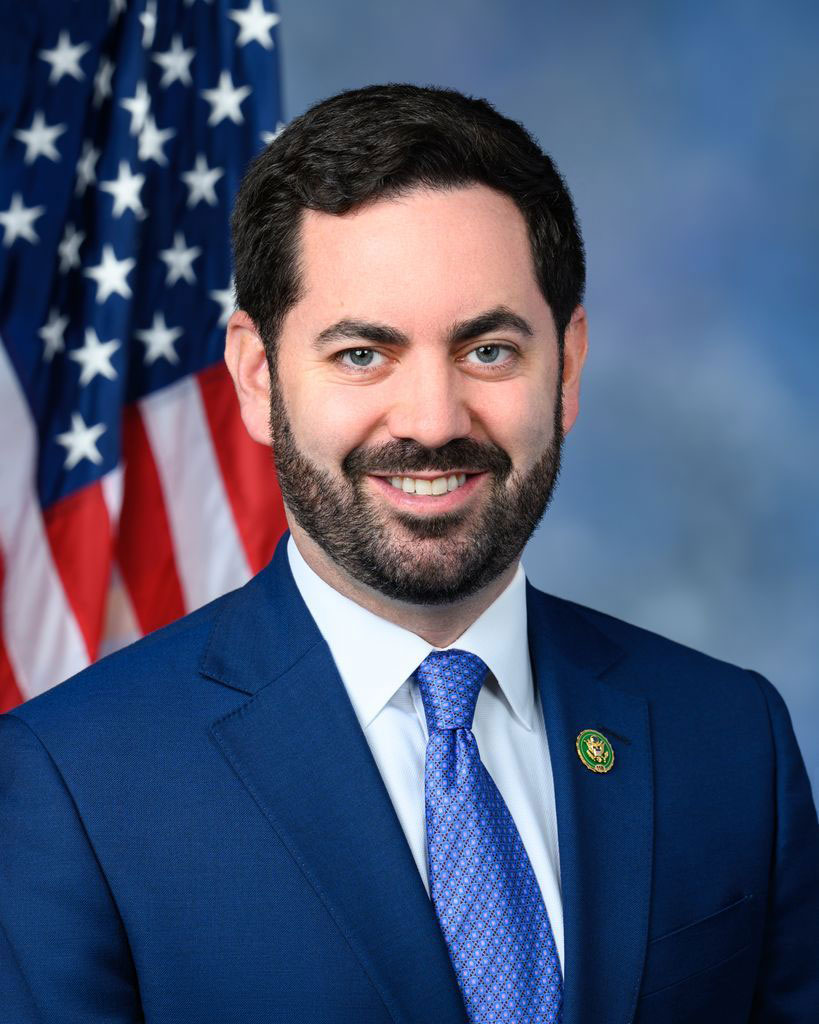
Rep. Mike Lawler
By Dan Murphy
Westchester Congressman Mike Lawler has been under attack from progressive groups for some time, calling for him to vote to extend the tax credits provided to 7.5 Million Americans for the Affordable Care Act, ACA.
One recent release reads, “With a key Open Enrollment deadline drawing near, Congressman Mike Lawler is running out of time to sign the health care discharge petition and bring the three-year health care tax credit extension up for a vote to lower premium costs for thousands of his constituents in the Hudson Valley. December 15th marks the last day for New Yorkers to enroll in a plan for coverage beginning on January 1st. If the expiring Affordable Care Act tax credits are not extended by then, working families could see their monthly premiums skyrocket, with some households forced to pay more than double what they paid this year for the same plan.”
“Rather than fighting to lower healthcare costs for tens of thousands of Hudson Valley residents, Congressman Lawler is doing everything he can to not support a proposed three-year extension of the expiring health care tax credits,” said Tracey, a disabled cancer survivor and former health care tax credit recipient from Pearl River. “The discharge petition to force a vote in the House needs just four Republican signatures to pass, yet Rep. Lawler is refusing to support it, claiming that it has no chance of passing. This is just not true and is an insult to New Yorkers’ intelligence. We see what he’s doing, and it’s not slick.”
But the reality is that Rep. Lawler has joined a bipartisan group of colleagues in supporting a framework for extending Enhanced Premium Tax Credits (EPTCs). The proposal, CommonGround 2025: A Bipartisan Health Care Framework, includes an extension of EPTCs for those making less than 600% of the federal poverty line (FPL) alongside commonsense reforms to reduce waste, eliminate fraud, and address insurance costs. The members backing the framework have also co-signed a letter urging House and Senate leadership to meet with them to discuss the framework and a constructive pathway forward in both chambers.
Key features include:
A two-year extension of EPTCs for enrollees earning less than 600% of FPL, with a phaseout for those making between 600-1000% of FPL.
New guardrails to crack down on fraud and prevent “ghost beneficiaries,” including implementation of the Insurance Fraud Accountability Act and greater oversight of eligibility.
An extension of open enrollment until March 19, 2026.
In a letter to Republican Senate Leader Thune, Minority Leader Schumer, House Speaker Johnson and Minority Leader Jeffries, Lawler and 35 other House members of both parties, write,
“Please find attached “CommonGround 2025: A Bipartisan Health Care Framework,” our proposal outlining an extension of health insurance premium savings for American families. It includes one year of enhanced Premium Tax Credits (ePTCs), with targeted modifications, and a second year of continued health insurance premium savings for American families. We urge you to consider it and to vote in both chambers on legislation reducing the cost of health insurance by December 18, 2025. For millions of Americans, as they have learned in notices during the current open enrollment period, their health insurance premiums are set to significantly increase in January 2026.
“As Members committed to commonsense, bipartisan solutions that help lower costs for families, we respectfully request a meeting with you at your earliest convenience to discuss the attached plan and a constructive pathway forward in the U.S. House of Representatives and Senate. Thank you for your consideration and for your leadership.”
Rep. Lawler said, “The reality is, if you want to make lasting change in this country, if you want to actually accomplish something that impacts the vast majority of Americans, it cannot be done without bi-partisan support.
So this group is coming together to say to our leadership on both sides Enough! We have a responsibility before the end of the year to pass a bill that will address the issue of healthcare costs in this country. The immediate requires passage of an extension on the enhanced premium tax credit for the Affordable Care Act. It is expiring at the end of this year.
We are focused on getting a bill passed by the end of this year to ensure that Americans who are on the open exchange who rely on these premium tax credits do not see a health insurance spike.
It requires all of us working together and our leadership focusing on getting a solution rather than a political win.” Said Lawler.