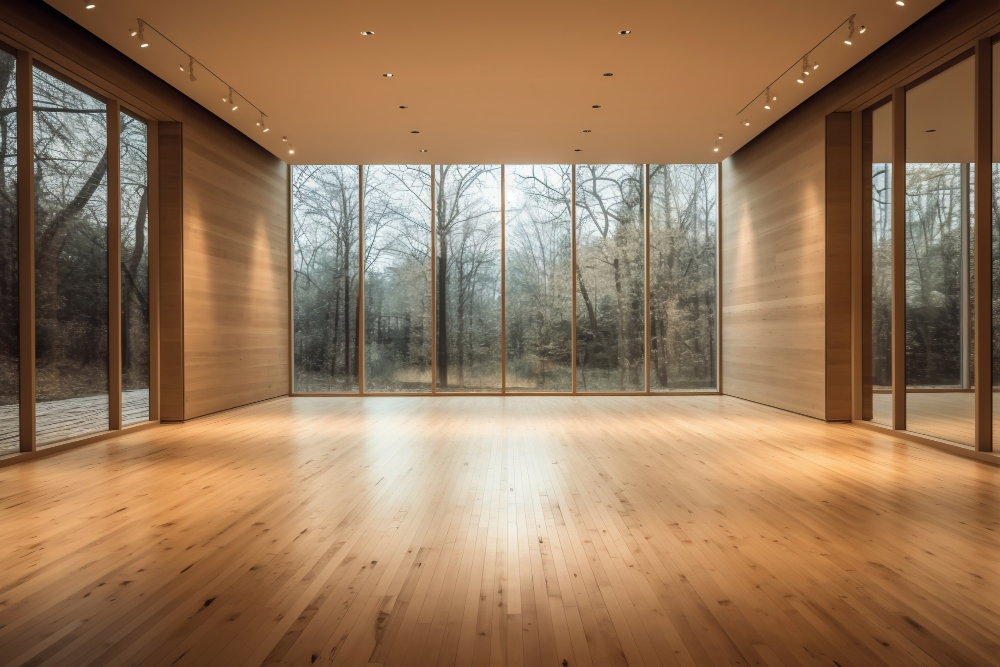
You sweep, you mop, you try not to drag furniture — yet somehow your floors still fade, scratch, dull, or stain far faster than you expect.
It almost feels unfair. You’re doing everything “right,” but the floors still look tired long before they should.
The truth? Most floors don’t wear out because of big disasters. They wear out because of tiny, invisible stressors that build up every single day. And because they’re happening slowly, you don’t notice the damage until it’s already obvious. Professionals who work with protective finishes, including epoxy coating suppliers, see this pattern constantly: floors don’t fail from neglect — they fail from unbalanced pressure, friction, moisture, and movement.
Here’s what’s really happening beneath your feet, and what you can do to keep your floors looking newer for longer.
1. Floors Wear Out in Patterns — Not Evenly
Even in a small home, the way you use your floor matters far more than how often you clean it.
Floors age in high-traffic “lanes,” meaning the same narrow strips take the majority of the wear every day.
Think of places like:
- The path from your front door to the kitchen
- The area you stand when cooking
- The exact spot where you swivel your office chair
- The landing zone where your pet jumps down from the couch
Those small sections experience the equivalent of years of foot traffic compared to the rest of the room.
How to reduce patterned wear:
Use small rugs strategically, rotate furniture to redirect traffic, and consider reinforcing vulnerable areas with long-lasting floor coatings.
2. Cleaning Products Might Be Breaking Down Your Flooring Faster
Ironically, “keeping things clean” can sometimes age your floors.
Certain everyday cleaners contain:
- Harsh chemicals
- Acids
- Abrasive particles
- High pH formulas
- Soaps that leave residue
These can strip protective layers, dull finishes, or weaken sealants over time.
A better approach:
Use pH-neutral cleaning products and microfiber tools that clean without grinding dirt into the floor’s surface.
3. Micro-Scratches Add Up — Even if You Can’t See Them Yet
Most scratches begin as microscopic marks caused by:
- Dust acting like sandpaper
- Grit from shoes
- Furniture legs shifting slightly
- Pet claws
- Small rocks caught in rugs
The scratches are too fine to notice at first, but they accumulate and eventually turn into obvious dull patches or rough textures.
Quick fixes that make a big difference:
Remove shoes indoors, vacuum more than you think you need to, and add protective pads under every piece of furniture — even the light ones.
4. Moisture Is Slowly Breaking Down Your Floors
Even small, innocent habits can affect your flooring long term:
- Letting water sit after mopping
- Damp shoes on entry mats
- Steam from showers
- Spills that aren’t cleaned immediately
Moisture wears down timber, lifts laminate, stains grout, and softens many adhesives.
How to stop moisture damage:
Ensure ventilation, wipe spills straight away, and avoid using too much water during cleaning.
5. Heavy Furniture Causes Hidden Compression Damage
Furniture that rarely moves can still cause indentation or compression lines over time — especially in soft timber or vinyl.
Pressure points from:
- Bed frames
- Couches
- Dining tables
- Large appliances
…all affect floorboards more than you might realise.
Protect your floors by:
Using wider furniture pads, spreading weight more evenly, and occasionally shifting items a few centimetres to prevent long-term compression.
6. Poor Surface Protection Shortens the Floor’s Lifespan
Most people assume the floor’s factory finish is enough — but it’s often not designed to withstand years of friction, heat, moisture, or daily wear.
Professionals who specialise in durable finishes — including epoxy coating suppliers — often recommend reinforcing floors that deal with consistent stress, like:
- Kitchens
- Entryways
- Home gyms
- Garages
- Playrooms
- Basements or multipurpose spaces
The right protective surface dramatically improves longevity and makes the floor easier to clean, maintain, and refresh.
Why reinforcement helps:
It reduces friction, seals pores, protects against stains, and shields the floor from moisture and everyday pressure.
7. Your Floors Are Taking More Stress Than You Think
Even if you take great care of your floors, daily life adds up faster than most people expect.
Common hidden contributors include:
- Kids running, spilling, dragging toys
- Pets tracking grit or moisture
- Office chairs on castors
- Small rocks getting stuck under doormats
- Repeated foot traffic in the same spot
- High humidity environments
- Harsh sunlight fading colour in specific patches
These stress points quietly wear down the material long before you realise it’s happening.
So… How Do You Keep Your Floors Looking New for Longer?
You don’t need to replace them — you just need to protect them intentionally.
Here’s what works:
✔ Use soft pads on all furniture
Even lightweight items leave marks over time.
✔ Place rugs in strategic traffic zones
Especially doorways, hallways, kitchens, and desk areas.
✔ Vacuum more frequently than you mop
Dust and grit cause more scratches than liquid spills.
✔ Reinforce vulnerable areas
Consider high-quality sealants or protective coatings for rooms that take a beating daily.
✔ Control moisture
Keep rooms dry, clean spills promptly, and avoid over-wetting when cleaning.
A Little Upkeep Goes a Long Way
Floors don’t age quickly because you’re doing something wrong — they age quickly because they’re working overtime.
With a few small habits and the right surface protection, you can dramatically extend the life of your floors and keep them looking fresh for years instead of months.
Your floors shouldn’t feel like a constant battle.
When you understand the hidden causes of wear, keeping them in great condition becomes far easier — and far more realistic.