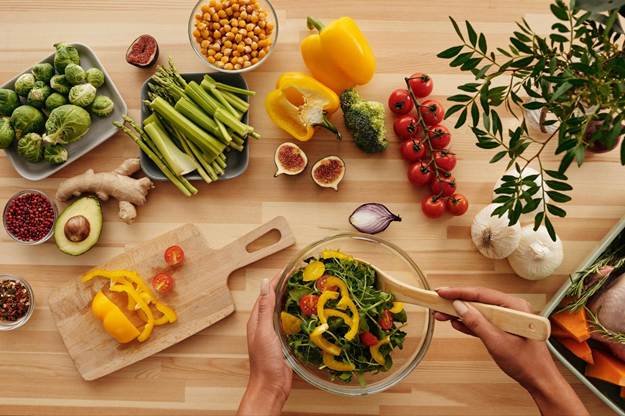
Photo from Pexels.com
You’ve probably heard the phrase “eat a balanced diet” more times than you can count. It shows up in articles, food labels, social media captions, and even doctors’ offices. But here’s the thing—what does that really mean? And more importantly, what does it mean for you?
We’re often taught that balance looks a certain way: fruits and veggies, whole grains, lean protein, and low sugar. While those basics can be helpful, they don’t capture the full picture of what balance feels like in real life. That’s because “balanced” can mean different things to different people—depending on lifestyle, preferences, culture, access, and more.
This article isn’t about offering a one-size-fits-all guide to food. It’s about recognizing that balance is personal. And yes, you’re allowed to define it in a way that actually fits your life.
Context Matters More Than You Think
Where you live, how much time you have, and what’s available to you all play a role in how you build your meals. For someone who works long hours, balance might mean grabbing meals that are quick and satisfying, not necessarily home-cooked. For others, balance might mean putting together a plate that aligns with their cultural background or comfort food preferences.
This is where flexibility comes in. What works for one person may not feel supportive to someone else—and that’s okay. Instead of copying someone else’s meal plan or nutrition approach, start by paying attention to what makes you feel nourished, satisfied, and energized.
If you want to include other products to support your personal wellness goals, that’s also your call. For example, some people use supplements, protein shakes, or bars when they want options that are convenient and easy to include. USANA Health Sciences offers a wide variety of wellness-related items—from meal replacement shakes to simple snack bars—that some choose to include in their day based on what fits their lifestyle. What matters most is that choices feel intentional and realistic—not forced by someone else’s idea of balance.
Listening to Your Cues
Understanding what your body needs often starts with paying attention. Not everything needs to be tracked or logged—but it can help to notice how you feel after certain meals or what makes you feel supported throughout the day.
Some people feel their best when they eat smaller meals throughout the day. Others prefer a few solid meals with little snacking in between. You don’t have to follow a set schedule if that doesn’t work for you. There’s room for flexibility here, too.
Also, it’s okay if your version of balance includes the occasional frozen dinner, takeout order, or sweet treat. You don’t have to “earn” those things or feel bad about them. Food is more than fuel—it’s also enjoyment, comfort, and connection.
The goal isn’t perfection—it’s awareness. Noticing what helps you maintain your energy, focus, and comfort is a more useful marker than whether your meals check off every box from someone else’s list.
Making Room for Cultural and Personal Differences
It’s easy to assume there’s one right way to eat, especially if you spend time online. But so much of what we learn about food is shaped by our families, cultures, and traditions. And that’s not a bad thing—it’s part of what makes your experience unique.
“Balanced” in one culture might look completely different in another. A traditional dish that doesn’t appear in typical food pyramid graphics may still be full of supportive nutrients and flavor. If a food has cultural or emotional importance for you, that absolutely matters.
You can also think of balance as something that reflects your values. For example, maybe you try to buy locally, reduce food waste, or prep meals at home because it helps you feel more connected to your choices. Or maybe you value variety, and that’s what balance means to you. There’s no single formula here.
Tune Out the Noise
It’s hard to feel good about your choices if you’re constantly being told to eat a different way. Every week, there’s a new list of foods to avoid, rules to follow, or “superfoods” to try. That kind of noise can make it hard to listen to yourself.
Instead of constantly adjusting your meals to match the newest trend, try stepping back. What do you actually enjoy eating? What feels manageable with your current schedule, budget, and energy?
This isn’t about ignoring nutritional information—it’s about putting it in context. Trends come and go. But your needs are more stable. You’re allowed to trust your own experience, even if it looks different from what someone else is doing.
It’s also helpful to remind yourself that your diet doesn’t need to impress anyone. It just needs to work for you.
Balance Can Change Over Time
What feels like balance now may shift in the future. Maybe you used to love cooking elaborate meals, but now you need quick and easy options. Or maybe you’re learning new ways to support your wellness and want to try new ingredients or prep methods.
That doesn’t mean your past approach was wrong. It just means you’re adapting—and that’s a good thing. Being open to change helps you stay connected to what you actually need, rather than sticking to a fixed idea just because it used to work.
Seasons of life, changes in work or family responsibilities, and even energy levels can all influence how you eat. Balance isn’t a static rule—it’s a moving target, and it’s okay to let it move.
When we talk about balanced eating, it’s easy to think in terms of rules and checklists. But real balance is more personal than that. It’s shaped by your preferences, routines, culture, and energy—and it doesn’t have to look the same every day.
You don’t need a perfect plan. You just need enough awareness to notice what supports you and enough permission to ignore what doesn’t. Whether your plate is colorful or simple, made at home or picked up on the go, it can still reflect what balance looks like for you.