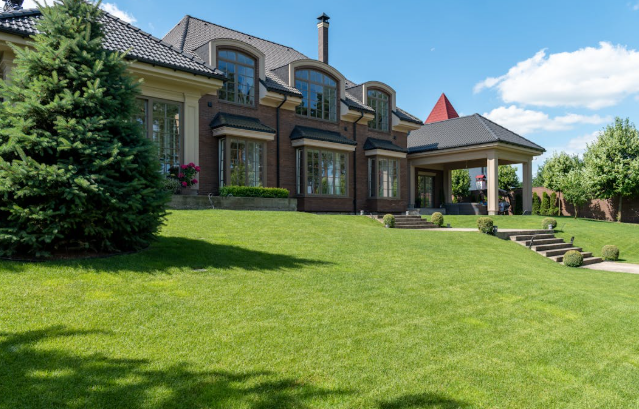
Photo from Pexels.com
Building a home in the mountains is not like building one anywhere else. The view might sell the dream, but the environment decides the reality. Many homeowners begin with a vision of large windows, open plans, and scenic decks. What they often don’t realize is that high-elevation terrain challenges every part of that vision — from where the sun hits to how the roof handles snow.
A modern mountain retreat has to do more than look good. It must perform under pressure. Every design decision matters: how it stands on uneven ground, how it handles moisture, and how it stays comfortable in both winter storms and summer heat. The balance between beauty and practicality defines success.
The following article breaks down the essential elements behind well-designed mountain living.
1. Positioning the Home for Light, View, and Comfort
The way a home faces [A1] determines how much light, warmth, and view it receives throughout the year. A house that faces the wrong direction might stay cold and dark during winter or overheat in summer.
Designers use sun studies to plan window placement and roof overhangs. South-facing windows often bring in natural warmth during cold months, while shaded areas prevent glare when the sun is high. The goal is not only to capture the view but to maintain comfort inside.
2. Choosing Materials That Age with the Environment
Mountain conditions test every surface, so materials must do more than look good — they must last. Luxury mountain home architects study how wood, stone, and metal react to altitude, moisture, and temperature shifts before selecting them.
Locally quarried stone provides strength and visual harmony. Weathering steel forms a protective patina [A2] that resists corrosion. Treated wood adds warmth while handling snow and rain. These materials age naturally and reduce long-term maintenance.
By choosing finishes that adapt instead of deteriorate, architects create homes that feel grounded in their setting and improve with time.
3. Balancing Privacy with Panoramic Views
Many mountain properties sit on ridges or slopes where neighbors, roads, or trails might be nearby. The goal is to enjoy the scenery without feeling exposed.
Architects often solve this through smart layout planning. Bedrooms and private areas are placed where natural barriers like trees or rock formations offer cover. Large windows face outward toward open land or distant peaks, while smaller windows are used on sides facing nearby properties. Landscaping also plays a role. Low vegetation, boulders, and retaining walls help define private zones without blocking sightlines.
This allows the homeowner to control visibility while keeping natural light.
4. Connecting Indoor and Outdoor Living
The best designs treat the outdoors as an extension of the home. This can include sliding glass walls, decks, and terraces that align with living spaces.
Covered outdoor areas add function throughout the year. Fireplaces, heated flooring, and windbreaks make patios usable in cooler months. In summer, wide overhangs and shading systems keep outdoor kitchens and seating areas comfortable.
This integration not only adds beauty; it improves lifestyle value. Homeowners spend more time outside, and the property feels larger and more dynamic. These spaces also increase resale appeal because they show thoughtful use of the site.
When built with understanding and precision, these retreats offer something rare: modern comfort surrounded by raw nature. The process demands patience, knowledge, and respect for place. But when done right, the result is more than a house with a view — it’s a home that truly belongs to the mountains.
[A1]https://www.thejournal.ie/showhome-viewing-5424734-Apr2021/
[A2]https://www.homesandgardens.com/interior-design/what-is-patina