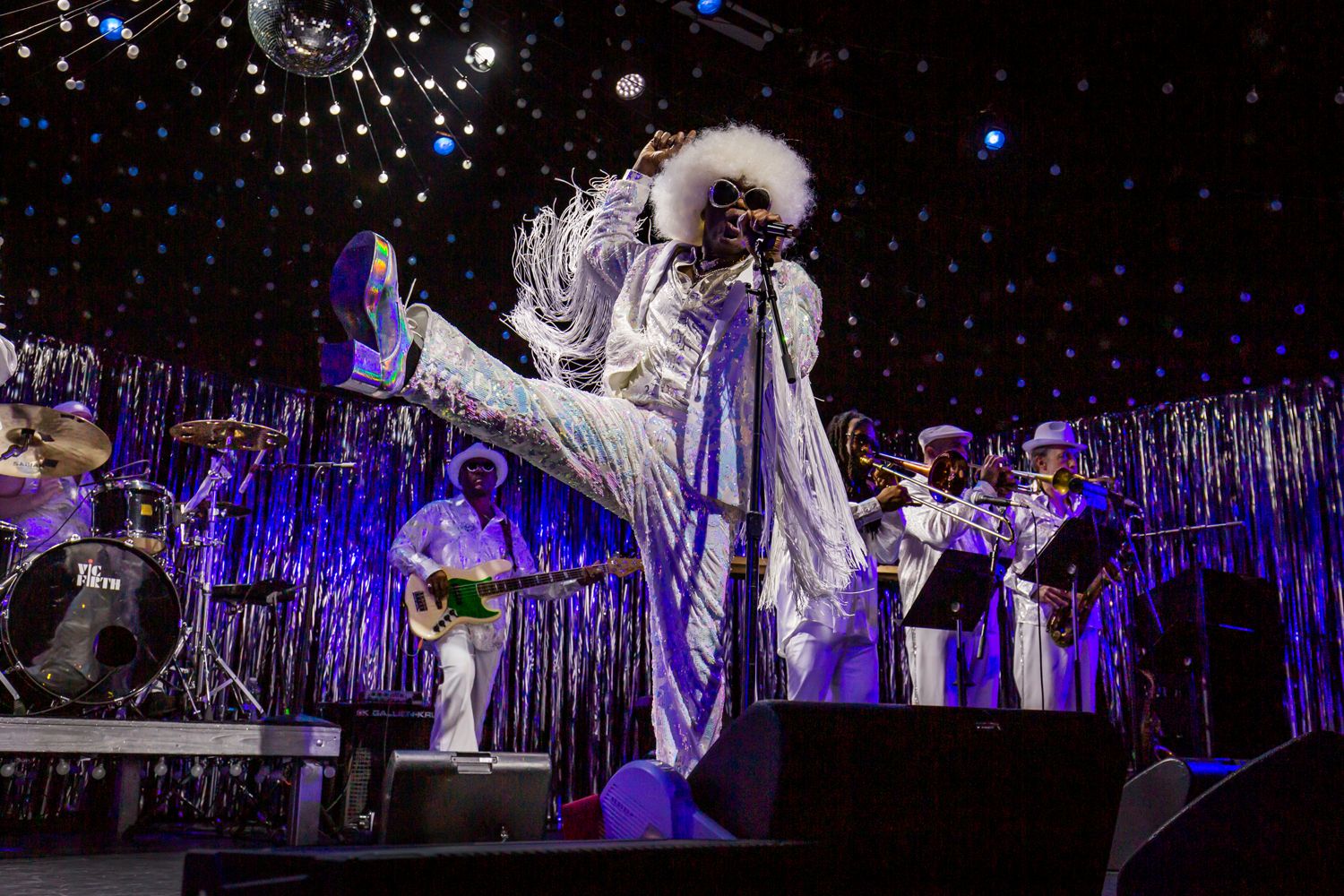
Anastasia Kinard
By: Dennis Richmond, Jr.
Every year on November 20th, we observe Transgender Day of Remembrance (TDoR)—a time dedicated to honoring trans folks whose lives were lost to anti-trans violence. This day concludes Transgender Awareness Week and was founded over 25 years ago by Gwendolyn Ann Smith in memory of Rita Hester, a Black trans woman murdered in 1998.
The purpose of TDoR is twofold: first, to remember the lives we’ve lost, and second, to raise public awareness of the ongoing crisis of violence facing trans folx. According to the Human Rights Campaign (HRC), at least 36 trans and GNC folx were violently killed in the United States in the twelve months following the last TDoR. Of that number, roughly half were Black trans women—a stark indicator of the intersectional disparities that shape this violence.
I spoke with 26-year-old Queens resident Anastasia Kinard about what TDoR means to her. She said:
“Transgender Day of Remembrance reminds us of the lives we’ve lost — lives that were full of beauty, talent, and promise. I feel like being a transgender in 2025 we should appreciate the people that pass and that paved way for us because we the next generation and my name will be noticed.”
Those words reflect the heart of TDoR: it is not simply a list of names read aloud, but a call to reflect on lives interrupted and to recognize that the legacies of those gone live on through the work and presence of trans folks now and in the future.
Black trans women are often targeted. HRC’s report highlights that Black trans women comprised 50% of the documented fatal victims in that 12-month span. The report also notes that the true number is almost certainly higher, given underreporting, misgendering of victims, and gaps in data.
In addition to violence, structural factors—such as poverty, housing instability, and discrimination in employment and healthcare—amplify risk and vulnerability for trans and GNC folx. As the HRC notes, the overlap of racism, misogyny, transphobia, and economic exclusion creates a “culture of violence” in which trans folx of color are disproportionately at risk.
For Kinard and for many other younger trans folx, TDoR is simultaneously a moment of grief and a moment of empowerment. The memory of those lost becomes a charge: to live, to thrive, to carry the torch onward. As Kinard put it, the people who “paved the way” did not simply die in vain—they left behind the space, the platform, and the promise for the next generation.
This year, as we gather in vigils, in classrooms, in community centers, in parks, or even quietly at home, we honor the names and lives of those lost. We lost powerful trans folx in Ballroom, and we will never forget them. With that, we also recommit to the work: raising awareness, building safer spaces, advocating for health, economic, and social justice, and ensuring that in the future, no names will need to be spoken on TDoR.
Dennis Richmond, Jr. (@NewYorkStakz) is a journalist, historian, and educator from Yonkers, NY. He writes to uplift unheard voices, honor history, and inspire change.