
By Dennis Richmond, Jr.
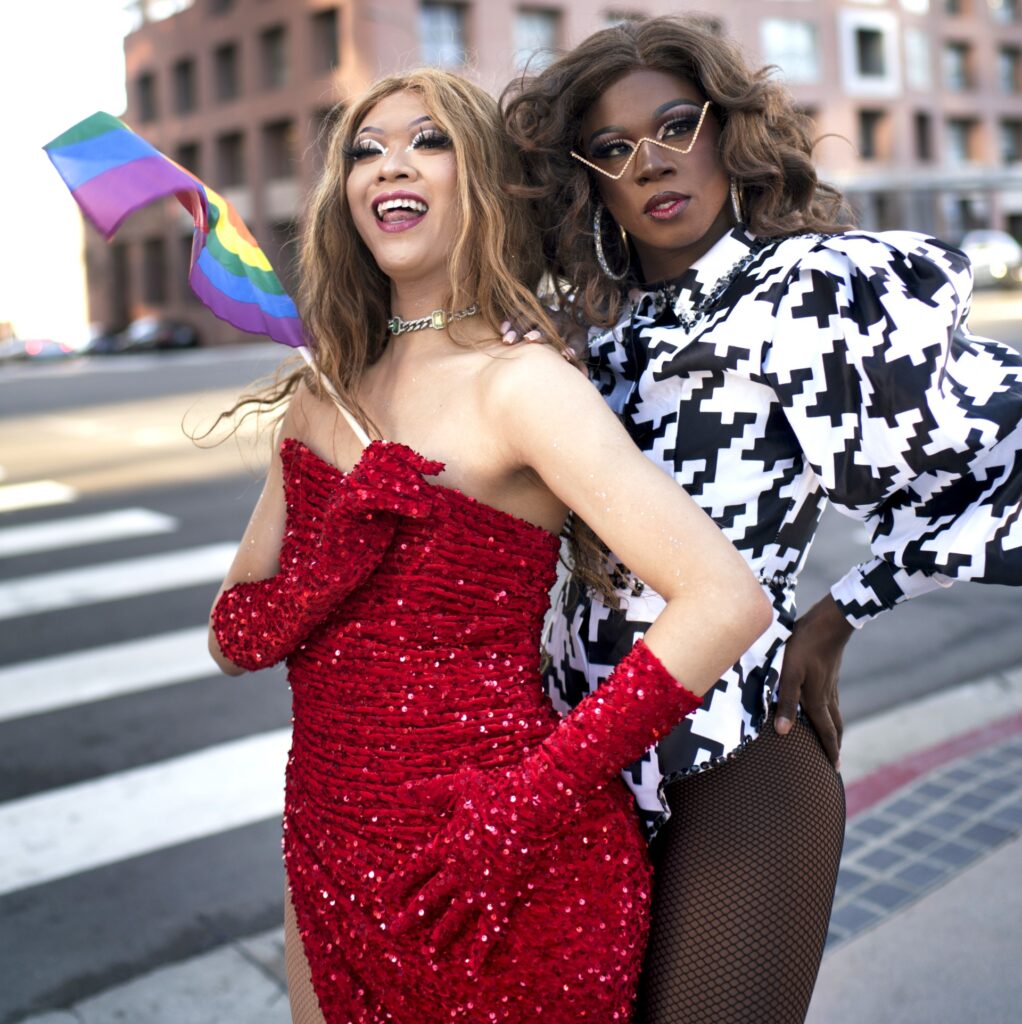
Ballroom culture — born from the creativity and resilience of Black and Latinx LGBTQ+ communities — remains one of the most influential cultural movements in America. Known as Ballroom or The Scene, it traces its roots to the Harlem Renaissance, when folx carved out spaces for self-expression, performance, and community way before acceptance was widespread.
At its core, Ballroom is built around community. After, you have Houses — chosen families that provide mentorship, love, and belonging to those often rejected by society or even their own families. The first organized Houses, such as the House of LaBeija, House of Dupree, House of Ebony, and House of Pendavis, emerged in the 1970s, offering both creative outlets and emotional support. These Houses compete in elaborate events known as balls, where members walk categories like Vogue, Realness, and Runway, blending fashion, dance, and storytelling.
Today, Ballroom continues to evolve while preserving its message of empowerment and artistry. “I started in 2008 and became a legend in 2017,” said Legendary Xoey West, of Richmond, Virginia. “I loved the art of Vogue, and now I’m known across the world. Ballroom gave me confidence and creativity — it’s more than performance; it’s a way of life.”
For many people, Ballroom represents freedom and identity. GIAA Latham, 22, of Brooklyn, first attended a ball at 16. “Growing up in the South, balls were rare and sacred. When I walked my first ball at 18, I knew Ballroom was home,” she said. “It’s about freedom, expression, and the power to create my own narrative.”
Veterans like Hermez Elixir, 29, of Houston, see Ballroom as a space to lead and give back. “I’ve been in Ballroom for over 17 years,” he said. “I founded the Ultravating House of Elixir to build community and guide the next generation. Ballroom taught me strength and leadership.”
For newcomers like Shahleek Lewis, 25, of Staten Island, Ballroom is both an art form and a social movement. “It’s a cultural dance style born from the Black and Latinx queer communities of Harlem,” he explained. “Anyone can start by taking vogue classes, going to Kiki events, and finding mentorship. Ballroom is about connection and belonging.”
Darius “Zenith” Case, 26, of New York City, discovered Vogue as a high school student. “Through The Door — A Center for Alternatives — I was introduced to ballroom legends who helped me find my voice,” he said. “By 2018, I joined the House of LaBeija, and Ballroom became a foundation for my growth as an artist and person.”
Even for Icons, Ballroom remains life-changing. Bugz Donyale Luna, 44, founder of the Premier House of Donyale Luna, reflected, “Ballroom saved my life. Ballroom is not a safe space, but your house can be a safe space.”
From Harlem to Houston and Atlanta to Baltimore, the Ballroom Scene endures as a celebration of resilience, artistry, and chosen family. And today, Ballroom is international. For generations of LGBTQ+ people of color, it remains not just a place to perform — but a place to belong.
Dennis Richmond, Jr. (@NewYorkStakz) is a journalist, historian, and educator from Yonkers, NY. He writes to uplift unheard voices, honor history, and inspire change.