Photo from Pexels.com
Discover how poorly maintained roads impact your wallet, safety, and community—from costly car repairs to increased taxes and delays. Read now!
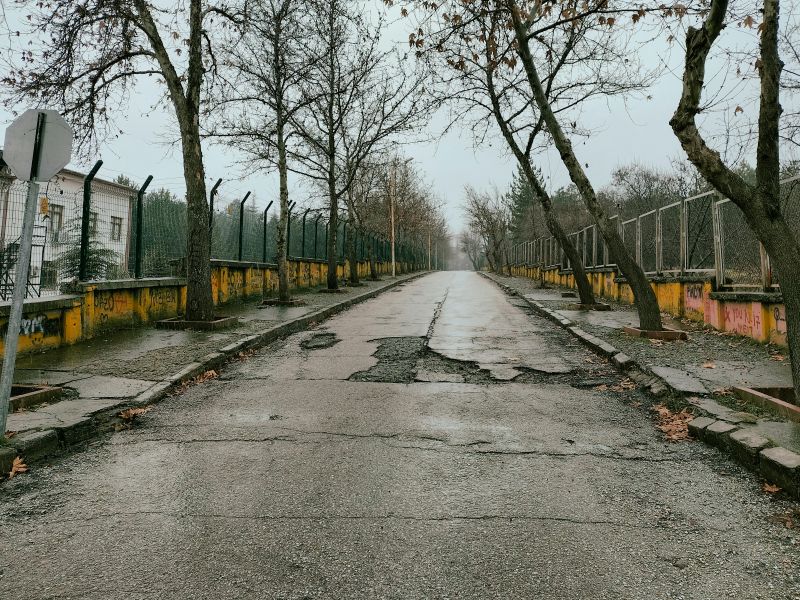
We often take roads for granted—until they’re riddled with potholes, cracks, or crumbling shoulders. At first glance, a bumpy ride might just seem like an inconvenience. But the effects of poorly maintained roads run much deeper, impacting everything from personal vehicle expenses to the broader economy and even public safety. This is not just about discomfort—it’s about dollars, danger, and daily disruptions.
The Cost to Your Car
One of the most immediate and obvious consequences of bad roads is vehicle damage. Potholes can wreak havoc on tires, suspensions, and alignments. Constant exposure to uneven surfaces causes wear and tear far beyond what’s considered normal. According to AAA, U.S. drivers spend billions of dollars every year on repairs caused by poor road conditions. A single pothole hit can cost hundreds in repairs, and if you’re frequently driving on deteriorated roads, these costs add up quickly.
Even if you avoid major repairs, increased tire wear, reduced fuel efficiency, and added stress on your suspension system can lead to more frequent maintenance. For households already trying to stretch every dollar, the hidden expenses of navigating bad roads are a frustrating financial burden.
Safety Takes a Hit
Safety is just as much a concern as vehicle damage when it comes to unmaintained roads. Every year, poorly kept infrastructure contributes to a significant number of traffic accidents. Hazards like deep potholes, faded lane markings, and missing or unclear signage create dangerous conditions for drivers. These risks are even more severe in rural or poorly lit areas, where spotting such obstacles in time can be nearly impossible—often leading to serious collisions.
Emergency response is also impacted. Ambulances, fire trucks, and police vehicles may be delayed by deteriorating roads, and in critical situations, those delays can cost lives. A washed-out bridge or crumbling pavement can make the difference between life and death.
If you’ve been injured in an accident caused by hazardous road conditions, it’s important to know your rights. Speaking with a car accident attorney in Utah can help you understand your legal options and pursue compensation for damages caused by unsafe infrastructure.
Time Is Money
Traffic congestion is another costly side effect. Damaged roads and frequent construction zones force drivers to slow down, take detours, or sit in gridlock. For commuters, that’s lost time and increased stress. For businesses, it’s a hit to productivity and profitability.
Delivery companies, public transit systems, and rideshare services are all affected by delays. The longer vehicles are on the road, the more fuel they burn—and those fuel costs are often passed along to the consumer. That late package or inflated delivery fee? It might have everything to do with the condition of the roads between the warehouse and your doorstep.
Public Costs and Hidden Taxes
While individual drivers feel the pain at the mechanic’s shop, there’s a broader financial impact as well. Governments are forced to spend more on emergency repairs and short-term fixes than they would on routine maintenance. It’s the infrastructure equivalent of patching a leaky roof instead of replacing it—eventually, the patch job fails, and the total cost skyrockets.
These emergency repairs are paid for by tax dollars. When roads are neglected over time, the cost of bringing them up to standard increases dramatically. That burden often falls on local governments, many of which already operate under tight budgets. As a result, taxpayers may face increased property or sales taxes to fund overdue roadwork that could have been cheaper if addressed earlier.
In short, unmaintained roads are not just an annoyance—they’re a form of hidden taxation. You pay for them whether you’re driving over them, fixing your car, or footing the bill for delayed services and repairs.
Economic Ripple Effects
Beyond individuals and municipalities, the economy as a whole suffers when roads fall into disrepair. Reliable transportation is essential for trade, tourism, and job creation. Businesses depend on the movement of goods and people, and poor infrastructure discourages investment.
In rural areas especially, bad roads can isolate communities. Farmers struggle to get their goods to market, and residents have difficulty accessing healthcare, education, and job opportunities. When roads deteriorate, they don’t just slow traffic—they slow economic progress.
The Road Ahead
So, what can be done? First, it’s important to hold local and state governments accountable for consistent infrastructure investment. While flashy new highways get attention, routine maintenance of existing roads often delivers a greater return on investment. Public pressure, community engagement, and transparency in budgeting all play a role.
Second, infrastructure funding must be a national priority. Whether through dedicated transportation taxes, federal grants, or innovative funding models like public-private partnerships, we need consistent and adequate investment in maintaining what we already have.
Finally, smart technology can help. Some cities are using sensors and data analytics to monitor road conditions in real time, allowing for targeted repairs before problems escalate.
In Conclusion
The next time you hit a pothole or bounce along a cracked stretch of road, consider what it’s really costing you—not just in repair bills, but in safety, time, and tax dollars. Bad roads are more than an inconvenience—they’re a symptom of a larger issue that affects every part of daily life. By demanding smarter infrastructure decisions and consistent maintenance, we can smooth out more than just our daily commute—we can pave the way for a stronger, safer future.