
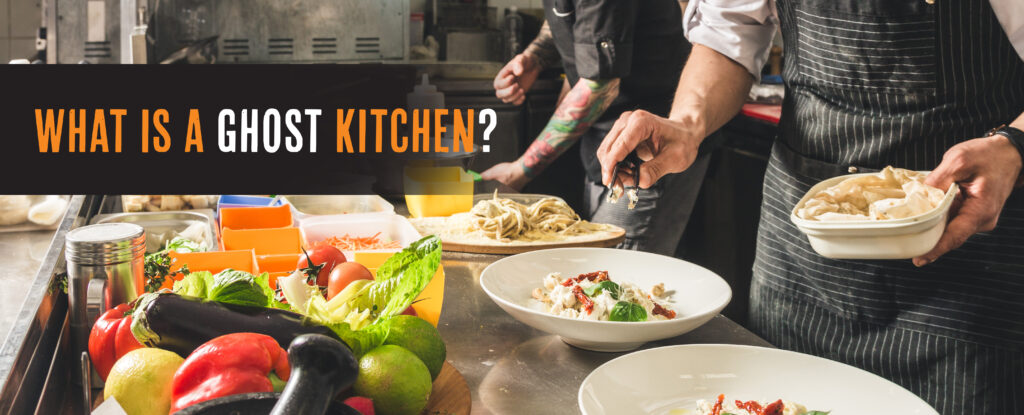
In recent years, the restaurant industry has seen major shifts. One of the most interesting trends that we are seeing now is the rise of ghost kitchens.
Ghost kitchens are delivery-only restaurants that have no dining space and no waiters. Sometimes they don’t have any signs outside at all and operate entirely on online orders, including third-party delivery apps. Ghost kitchens rely entirely on digital marketing to attract customers and establish their brands.
Interestingly enough, this is not only a big-city trend. Ghost kitchens are not limited to places like New York City but are spreading to smaller communities like Yonkers. Everywhere you see a growing food industry and a diverse community, the ghost kitchen model can take off.
So, what exactly makes ghost kitchens such a promising idea for Yonkers? And how could they benefit both local business owners and the community? The key benefits are cost savings and flexibility.
What Is a Ghost Kitchen?
A ghost kitchen, sometimes called a “virtual kitchen” or “cloud kitchen,” is a restaurant that prepares food exclusively for delivery or pickup.
Customers order food through apps like Uber Eats, DoorDash, or Grubhub, or through the restaurant’s own website or app, but there is no storefront.
One of the immediate benefits of a ghost kitchen in this regard is that it can operate from a shared commercial space together with several other brands, side by side. Ghost kitchens can also work in existing restaurants that choose to run a second virtual brand for delivery in the same place.
The key idea behind the concept is low costs, high flexibility, and full digitalization of all marketing operations.
Why It Makes Sense for Business Owners
Starting a traditional restaurant in Yonkers (or anywhere, basically) always comes with high risks. All the costs and resources add up fast – rent, furniture, utilities, staff, permits, and so on. If the idea doesn’t work or the location is bad, the whole business is doomed.
On the other hand, ghost kitchens have a lower entry barrier. Because they don’t need one of the biggest things – the dining space – owners immediately save thousands in rent and expenses. Also, fewer employees are needed, and it is faster to educate them.
This leaner structure of the whole kitchen allows the operators to experiment with certain decisions, try new menus, or food concepts without betting everything on one big thing (that can easily fail).
For example, a Yonkers-based chef could start a Korean-Mexican fusion kitchen out of a shared space and test the local market through delivery apps. If it doesn’t work, they can pivot quickly: change the menu, rebrand, or even launch a different cuisine altogether.
Ghost kitchens offer agility that traditional restaurants can’t match, and this makes them perfect for smaller businesses. This is exactly like people never believed online casinos could compete with full-fledged land-based casino houses, but today, a smaller team can run a casino website, and people gladly play with a $10 free no deposit casino bonus.
For Yonkers, this can be a perfect idea because a ghost kitchen can adapt faster to the different community wants. It is easier to even set more than one small brand in one cooking space – comfort food, vegan food, and cakes – without setting multiple physical locations with different designs and all that comes together with it.
Digital Marketing Is the New Front Door
Because ghost kitchens don’t have storefronts, their online presence becomes the key to branding, marketing, and the level of service that their customers experience.
For a ghost kitchen, it is not enough to cook good food; the business must make sure that its potential customers will be able to find it among dozens of other food delivery options in an app. Clever naming, good branding, comprehensive services, and clear menus are essential.
Therefore, local entrepreneurs have to be marketing-savvy and understand social media trends because they have the opportunity to promote their menus in highly targeted ways. Turning a virtual brand into a neighborhood’s favorite is very possible, and you don’t even need a physical presence.
Ghost kitchen as a concept, also levels the field for newcomers to the industry. If you can cook well and know how to use a smartphone, you can compete even with well-known restaurants.
Challenges to Consider
Of course, the ghost kitchen model isn’t perfect. Some communities can be a bit too old-fashioned to accept the idea or use online delivery services that much. On the other hand, local restaurant owners who run their family businesses for generations can feel personally offended by technically savvy newcomers with a kitchen and a smartphone trying to attract their customers.
Some critics argue that for small, closely-knit communities, ghost kitchens can feel impersonal and lacking human connection. Also, working conditions in shared kitchens behind closed doors might be compromised.
For Yonkers, the key will be finding balance. A healthy ghost kitchen scene could coexist with traditional restaurants and not replace them. Local policy may eventually need to address zoning, health inspections, and fair labor practices to make sure the model works for everyone.