
Your roof is one of the most critical components of your home. It protects you, your family, and your belongings from harsh weather conditions, keeps your home insulated, and adds to its aesthetic appeal. Roofs don’t last forever, and understanding the lifespan of your roofing system is vital for maintaining your home’s safety and value. Knowing the details about how long different types of roofs last, what factors influence their durability, and when to consider repairs or replacements can save you time, money, and stress. In this blog post, we’ll explore six key details every homeowner should know about roof lifespan to help you make informed decisions about your roofing needs.

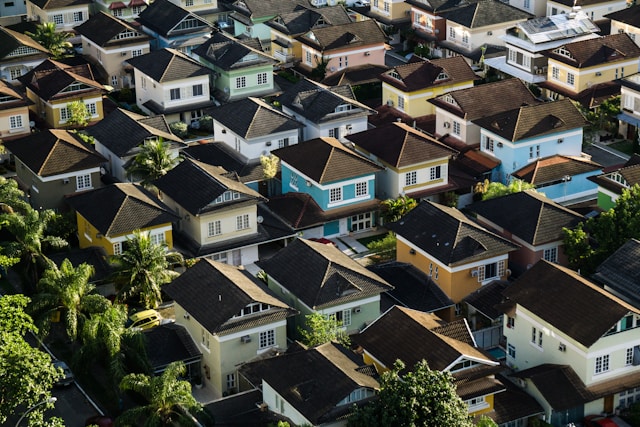
Photo from Unsplash.com
Different Roofing Materials Have Varying Lifespans
One of the first things to understand about roof lifespan is that it heavily depends on the material used. Asphalt shingles, the most common roofing material in residential homes, typically last between 15 to 30 years, depending on quality and maintenance. Metal roofs are more durable, often lasting 40 to 70 years or more. Made from clay or concrete, a tile roof can last 50 years or longer, while slate roofs are known to endure well over 100 years when properly maintained. Each material has its pros and cons related to cost, aesthetics, climate suitability, and lifespan. Knowing the expected lifespan of your roof material helps you plan maintenance and replacement more effectively.
Climate and Weather Conditions Greatly Affect Roof Longevity
No matter what material your roof is made of, the climate and weather where you live play a significant role in how long it lasts. Harsh conditions like heavy rain, snow, ice, extreme heat, high winds, and hail can accelerate roof wear and tear. For example, asphalt shingles can become brittle and crack in extreme heat, while excessive moisture can lead to mold and rot in wooden roofs. Roofs in hurricane-prone or snowy areas require more frequent inspections and maintenance to handle these stresses. Being aware of how your local climate impacts your roof allows you to take preventative steps, such as reinforcing vulnerable areas or scheduling regular inspections.
Proper Installation Is Crucial to Maximizing Roof Lifespan
Even the highest-quality roofing materials will fail prematurely if they are not installed correctly. Proper installation ensures that shingles or tiles are securely fastened, that the roof is well-ventilated to prevent moisture buildup, and that flashing around chimneys and vents is sealed to avoid leaks. Mistakes during installation can lead to weak spots, water infiltration, and faster deterioration. Hiring an experienced, reputable roofing contractor is important to maximize your roof’s lifespan. Always check for proper licensing, warranties, and references before committing to a roofing project.
Regular Maintenance Extends Roof Life Significantly
Routine roof maintenance is one of the most effective ways to extend the lifespan of any roofing system. This includes cleaning gutters, removing debris, inspecting for damaged or missing shingles, and checking flashing and seals. Addressing small issues early, such as replacing a few cracked shingles or fixing minor leaks, prevents them from turning into larger, more costly problems. Regular maintenance can add years to your roof’s life and save you from unexpected repair bills. Scheduling professional roof inspections every few years or after severe storms is recommended to catch hidden damage.
Signs Your Roof Is Nearing the End of Its Lifespan
Recognizing the warning signs that your roof is aging or failing helps you plan timely repairs or replacements before serious damage occurs. Common signs include curling or missing shingles, granule loss on asphalt shingles, dark streaks or stains, sagging areas, water stains on ceilings or walls, and increased energy bills due to poor insulation. If you notice multiple issues, it might be time to consult a roofing professional to assess whether repair or full replacement is needed. Waiting too long to replace an aging roof can lead to water damage inside your home and costly structural repairs.
Roof Lifespan Can Impact Home Value and Insurance
Your roof’s condition and age can affect your home’s market value and insurance premiums. A newer or well-maintained roof reassures potential buyers and can increase resale value, while an old or damaged roof may deter buyers or lower offers. Insurance companies often require roofs to be in good condition and may charge higher premiums or deny coverage for homes with failing roofs. Understanding your roof’s lifespan and planning for timely replacement protects your investment and keeps your home covered in emergencies.

Photo from Unsplash.com
Understanding these six details about roof lifespan empowers homeowners to better care for one of their most important home assets. From choosing the right materials and ensuring proper installation to performing regular maintenance and recognizing warning signs, proactive roof care saves money and stress in the long run. Don’t wait for leaks or damage to appear. Stay informed, inspect your roof regularly, and work with trusted professionals to extend your roof’s life and protect your home. A strong, healthy roof is about shelter and peace of mind for you and your family.