
A fresh coat of paint can transform a space, but the final result depends heavily on how well the walls were prepared beforehand. Skipping or rushing through the prep phase can lead to peeling, bubbling, or uneven finishes that diminish both the look and longevity of your paint. To ensure a smooth, professional outcome, prepping your walls properly is not just recommended, it’s important.
Whether you’re working with an older wall that’s seen years of wear or a newer surface that simply needs a clean base, the preparation process remains critical. Proper prep saves time in the long run and prevents the frustration of having to redo the work.

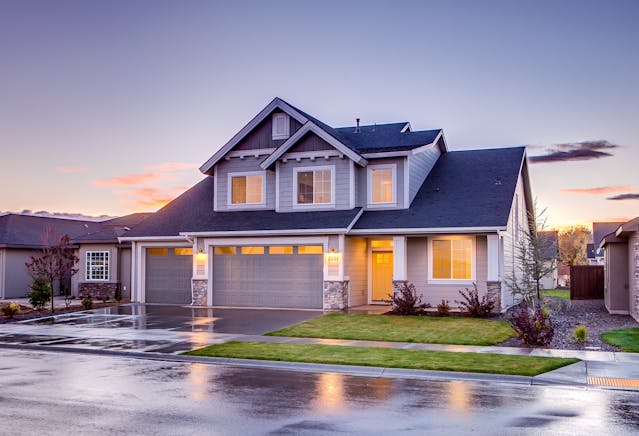
Photo from Unsplash.com
Partner With Professionals Who Prioritize Prep
While DIY paint jobs are tempting, the prep work involved is often underestimated. Surfaces must be cleaned, repaired, primed, and smoothed, all before the first brushstroke. This level of detail can be time-consuming and requires a trained eye to identify hidden imperfections. That’s why many homeowners choose to work with trusted professionals like paintzonellc.com and other skilled painters. These experts understand that lasting results come from meticulous preparation. They bring the tools and techniques necessary to assess the condition of your walls, sand uneven patches, fill nail holes and cracks, and apply high-quality primers that improve paint adhesion.
The value of working with professionals goes beyond just saving time. It ensures that the effort you put into choosing the perfect color and finish pays off with beautiful, durable results.
Clean Surfaces Thoroughly Before Painting
Dirt, dust, and grease are invisible enemies when it comes to painting. Even the most premium paint can fail if applied to a surface that hasn’t been properly cleaned. Start by dusting your walls from top to bottom with a microfiber cloth or vacuum brush attachment. Pay special attention to corners, baseboards, and trim where buildup tends to collect.
For grease-prone areas like kitchens or near light switches, use a gentle degreasing solution or mild soap and warm water. Rinse with clean water and let the walls dry completely. Avoid skipping this step, even walls that appear clean can have residues that interfere with paint bonding.
Taking the time to clean gives you a closer look at your wall’s condition. This early inspection helps identify problem spots, like bubbling plaster or water stains, which should be addressed before proceeding.
Patch and Repair Imperfections
Small dings and dents might seem insignificant, but they become glaringly obvious once painted over. Use a spackling compound or wall filler to smooth out holes, cracks, or uneven surfaces. Once dry, sand the repaired spots until they blend seamlessly with the rest of the wall.
It’s a good time to fix any nail pops, loose drywall tape, or areas with chipped paint. For deep cracks or recurring issues, consider using a patch kit or fiberglass mesh tape to reinforce repairs.
After sanding, wipe down the walls again to remove any lingering dust. A clean, smooth surface ensures the paint adheres properly and achieves a flawless finish.
Apply Primer for Better Adhesion
Primer serves as a bridge between your wall surface and the paint, creating a consistent base that enhances color accuracy and durability. In some cases, like when covering dark paint, sealing repaired areas, or painting over stains, a quality primer is non-negotiable.
Choose a primer suited to your wall type and the finish you’re aiming for. Latex-based primers work well on drywall, while oil-based options are preferred for stained or previously painted surfaces. If your paint includes primer, you may be able to skip this step, but it’s worth consulting a professional to be sure.
Priming helps detect any remaining flaws. A primed wall highlights spots that need extra sanding or touch-up before the final coat goes on.
Protect Surrounding Areas and Trim
Prepping doesn’t stop at the wall surface. Ensure your floors, furniture, and fixtures are protected before painting begins. Use drop cloths to cover large areas and painter’s tape to shield baseboards, window frames, and ceiling edges.
Take your time applying tape, it should be pressed down firmly to prevent bleeding. Label and store outlet covers, switch plates, and curtain rods removed during prep, so reinstallation is simple after painting.
Maintain Ideal Conditions for Paint Application
Environmental conditions during painting can significantly affect the outcome. Most paints perform best in moderate temperatures and low humidity. Avoid painting on days when it’s too cold, hot, or damp, as this can lead to poor drying and adhesion issues.
Ventilation is important. Open windows and use fans to help paint cure properly while reducing fumes. If you live in a region with unpredictable weather, plan your painting project during a more stable season or consult with your painter for indoor-safe alternatives.

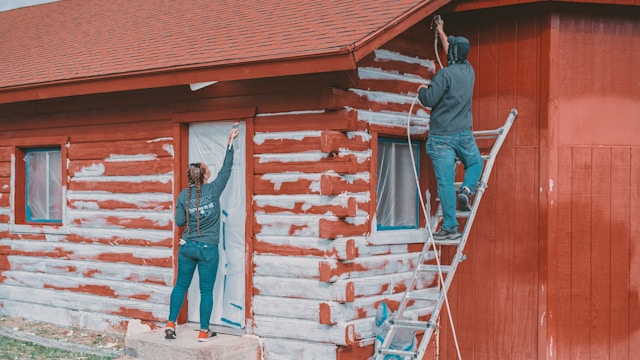
Photo from Pexels.com
Preparing your walls for painting might not be the most glamorous part of a home improvement project, but it’s unquestionably the most crucial. From cleaning and repairs to priming and protection, each step plays a vital role in achieving professional-grade results.