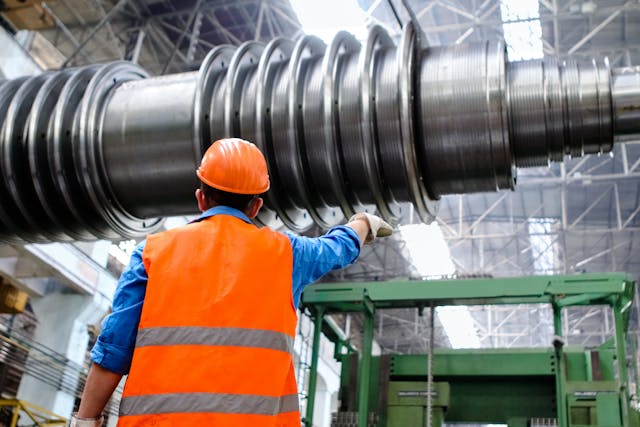

Floating and pipe technology plays a crucial role in various industries, particularly in water management and oil and gas operations. Understanding the nuances of these technologies is critical for maximizing their effectiveness and ensuring operational efficiency. This article explores important aspects of floating and piping systems, their applications, and tips on how to apply them correctly in different contexts.

Photo from Pexels.com
Understanding Hose Floats
Hose floats serve a critical function in managing floating hoses often used in marine and offshore applications. These floats provide buoyancy to hoses, preventing them from sinking and helping maintain the integrity of fluid transfer processes.
Operators must select appropriately sized and designed hose floats to suit specific operational needs. Many industrial operations benefit from incorporating a universal float solution, helping adapt to various floating hose applications while ensuring optimal performance. The choice of float must consider factors such as buoyancy, resistance to environmental factors, and compatibility with the fluids being transferred. Each characteristic impacts the float’s effectiveness and longevity, affecting system efficiency.
Applications of Floating Technology
Floating technology spans numerous applications, particularly in the oil and gas industry, where it facilitates efficient offshore drilling and production. Hoses equipped with floats allow for the safe transfer of liquids and gases over large distances without compromising the integrity of the transfer system. Engineers and operators must understand the dynamics of these hoses in both calm and turbulent waters to minimize risks associated with leaks or ruptures.
Floating technology has found its place in other fields such as agriculture for irrigation systems and environmental management, especially in controlling sediment and runoff. The efficiency and reliability of these systems can significantly affect productivity, pushing industries to refine their solutions continually.
Maintaining Pipe Systems
The maintenance of piping systems is critical to their long-term performance. Regular inspections ensure that any potential issues, such as leaks or blockages, are identified and resolved swiftly. A proactive maintenance approach keeps systems operational and reduces the risk of unexpected failures. Lasting integrity can be achieved through periodic evaluations, cleaning, and replacement of worn components as necessary.
Some statistics indicate that poorly maintained piping infrastructure can lead to a spike in operational costs. Such failures may result in significant environmental hazards, emphasizing the need for preventive measures. By systematically addressing maintenance practices, facilities can save both time and resources while sustaining operational safety.
Engineering Considerations
When designing floating and piping systems, various engineering principles must be considered to optimize performance. These include material selection, structural integrity, and the calculation of stresses and strains during operation. Engineers should account for factors like water currents, wind load, and potential debris in the application environment. Each aspect plays a role in the long-term viability of the installation, reinforcing the need for thorough planning and design.
Another factor influencing the effectiveness of these systems is automation and monitoring technology. Incorporating advanced sensors can facilitate the monitoring of fluid dynamics and system performance in real-time. This level of insight allows operators to react quickly to any irregularities, minimizing downtime and enhancing operational reliability.
Environmental Impact and Regulations
As industries grow increasingly aware of their environmental footprint, the floating and piping sectors are no exception. Regulations governing the operation of floating systems have become more stringent, shaping how companies approach their projects. Understanding these regulations is important for compliance and for adopting sustainable practices. Particular attention should be given to fluid spillage prevention during hose transfers.
Companies should implement effective contingency plans focusing on environmental protection and damage mitigation, should any accidents occur. Investing in eco-friendly technologies plays a pivotal role in addressing environmental concerns while maintaining operational viability. Taking the initiative to understand and comply with regulations ensures that industry participants foster sustainable practices. Engaging with regulatory bodies and participating in continuous training can enhance collective knowledge of environmental impacts, leading to more responsible operation methods.

Photo from Unsplash.com
Choosing the Right Equipment
The selection of equipment must be informed by specific operational needs and environmental conditions. Factors including the type of fluid, temperature, pressure, and location influence the decision-making process. Investing in high-quality materials and technologies can reduce long-term operational costs and improve system reliability.
Organizations that prioritize quality equipment are positioning themselves for success in their respective industries. Engaging manufacturers on the front end of the selection process can provide valuable insights on the best outcomes for required functionalities.
Collaboration with knowledgeable equipment partners often results in smarter decisions and enhances strategic planning that aligns with long-term operational goals. The correct application and understanding of floating and piping technologies are needed for effective operation in various industries.
From optimizing buoyancy and ensuring maintenance to navigating engineering challenges, industry participants must engage with the necessary considerations for success. Regulatory compliance further shapes operational practices, urging businesses toward sustainable methodologies. By applying these principles diligently, organizations can significantly improve the efficiency and reliability of their operations.