Refreshing your home’s exterior can do more than boost curb appeal. The right choices improve protection, comfort, and long-term value. Use these seven elements as a simple roadmap, and tailor each one to your climate, budget, and style.
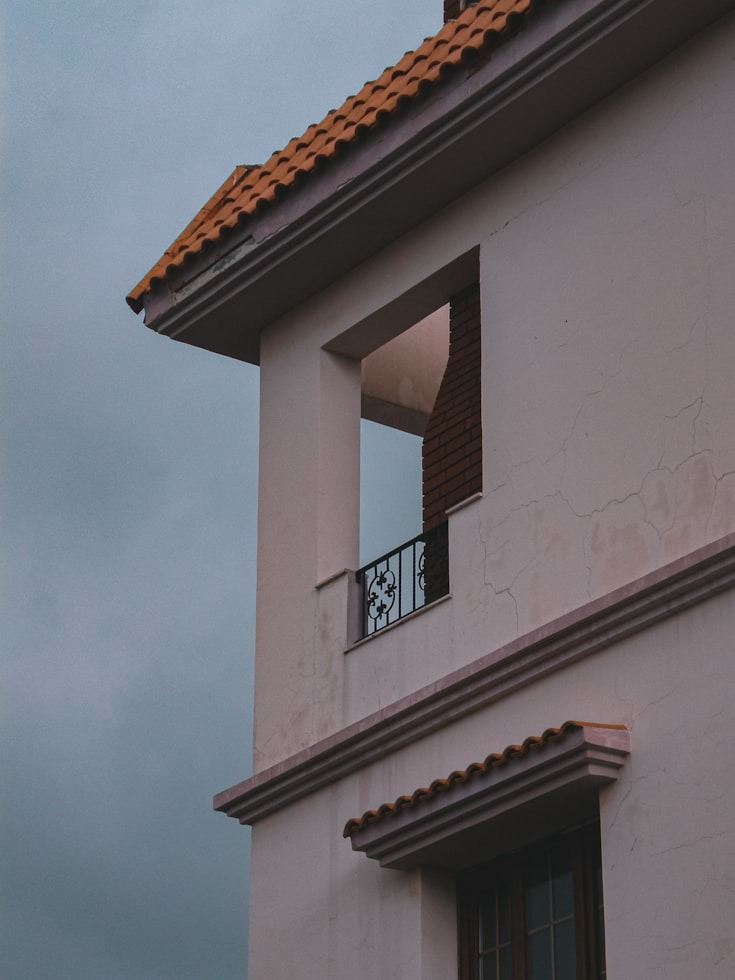
Photo from Unsplash.com
Roofing That Protects And Performs
Your roof is the first line of defense against wind, hail, and heavy rain. Many homeowners upgrade to shingles that withstand storms, paired with a quality underlayment and sealed edges. A recent weather summary noted that hail alone caused roughly $370 million in U.S. damage in 2024, which shows why impact resistance and proper installation matter.
Look for shingles or panels with tested impact ratings and a track record in your region. Ask for high-wind fastening patterns and verify attic ventilation so heat and moisture do not shorten the roof’s life.
Siding Materials Built For Your Climate
Siding has to handle sun, rain, and temperature swings year after year. Fiber cement, engineered wood, and metal all offer strong durability, while vinyl remains budget friendly with many color options. Match the material to your weather, then confirm the manufacturer’s installation specs so the warranty stays intact.
Texture and color play a big role in style. Mix horizontal lap with board-and-batten on gables for depth, or add stone accents at the base for balance. Lighter colors can help with heat control in hot zones.
High-Efficiency Windows And Doors
Old windows and doors leak energy and comfort. In colder regions, performance criteria from ENERGY STAR highlight low U-factors to slow heat loss and appropriate solar heat gain to capture winter sun. That guidance points to glass packages and frames that cut drafts while keeping rooms bright.
When comparing products, check labels for U-factor and SHGC, then match them to your climate map. Look at frame materials too – fiberglass and composite resist warping, while quality vinyl and thermally broken aluminum can perform well when properly engineered. Multi-pane glass with low-e coatings and argon or krypton gas adds insulation without dimming the view.
Weather-Ready Paint And Sealants
Paint does more than add color – it seals and protects. High-quality acrylic exterior paint typically lasts many seasons when paired with careful prep. Caulk joints, prime repairs, and paint in the right temperature range to avoid early peeling.
Start with clean, sound surfaces. Scrape loose paint, sand glossy spots, and wash off dirt so the new coating bonds well. Use the right primer for the substrate – stain-blocking on wood knots, masonry primer on stucco or brick, and rust-inhibiting primer on metal.
Gutters, Downspouts, And Drainage
Water control protects foundations, siding, and landscaping. Size gutters for local rainfall, slope them correctly, and extend downspouts 4 to 6 feet from the house. Add splash blocks or buried drains to move water away fast.
A quick checklist:
- Clean gutters at least twice a year
- Use covers where trees drop heavy debris
- Confirm positive grading around the house
- Direct sump pump discharge away from footings
Entryways, Lighting, And Curb Appeal
Small upgrades around the entry can shift the whole facade. A well-scaled door with side lights, sturdy hardware, and a fresh house number makes the threshold feel solid. Layer path lights with a pendant or sconce at the door so guests can see steps and locks clearly, and consider motion sensors for added safety. A bold front door color can frame the entry and tie shutters, trim, or planters together.
Choose warm-white LEDs for a welcoming tone. Add planters or a bench to soften hard lines, and keep sightlines open for security.
Aim for balanced symmetry where it fits the architecture, or use asymmetry with intention through one strong focal point. If glare is an issue, pick shielded, dark-sky friendly fixtures to keep light on the ground where you need it.
Planning, Permits, And Phasing
Exterior projects touch the structure, electrical, and sometimes utilities. Create a simple plan that orders work logically – roof before siding, siding before paint, paint before fixtures. Build in lead times for materials and schedule inspections at natural milestones so you are not tearing into finished work. If you have an HOA, submit drawings early to avoid mid-project delays.
Check local rules early so you know when permits or inspections are required. Build a cushion in the budget for surprises, and keep a folder of product warranties and care guides for easy reference.
Set aside 10-15% for contingencies and track changes in writing to control scope creep. After completion, make a short maintenance calendar so cleaning, caulking, and touch-ups happen before small issues grow.
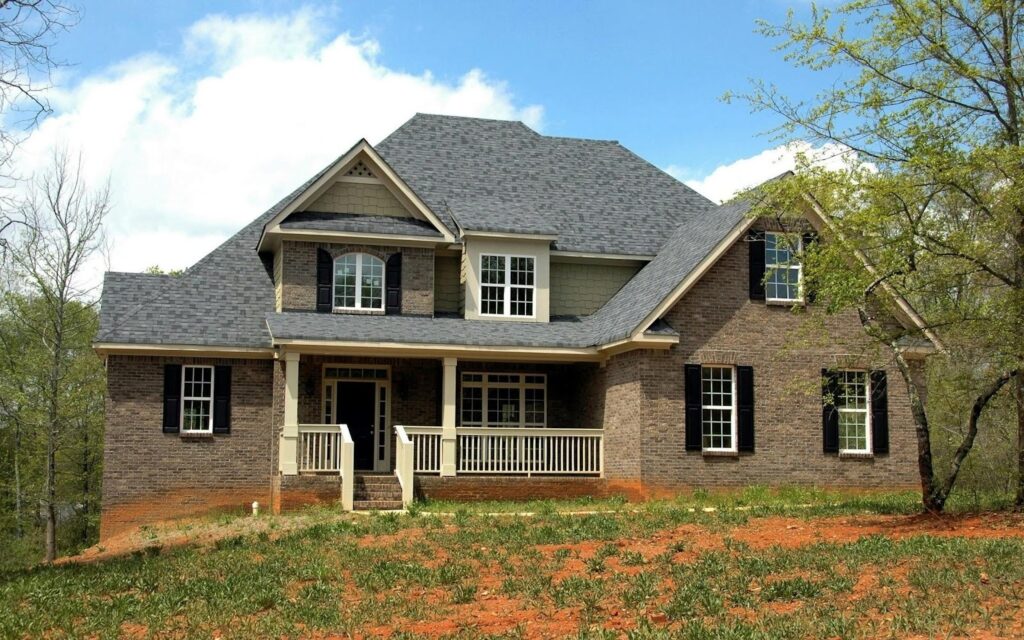
Updating an exterior is about getting the big things right and the small details consistent. Focus on weather defense, energy comfort, and clean lines, and your home will look good and live even better for years to come.