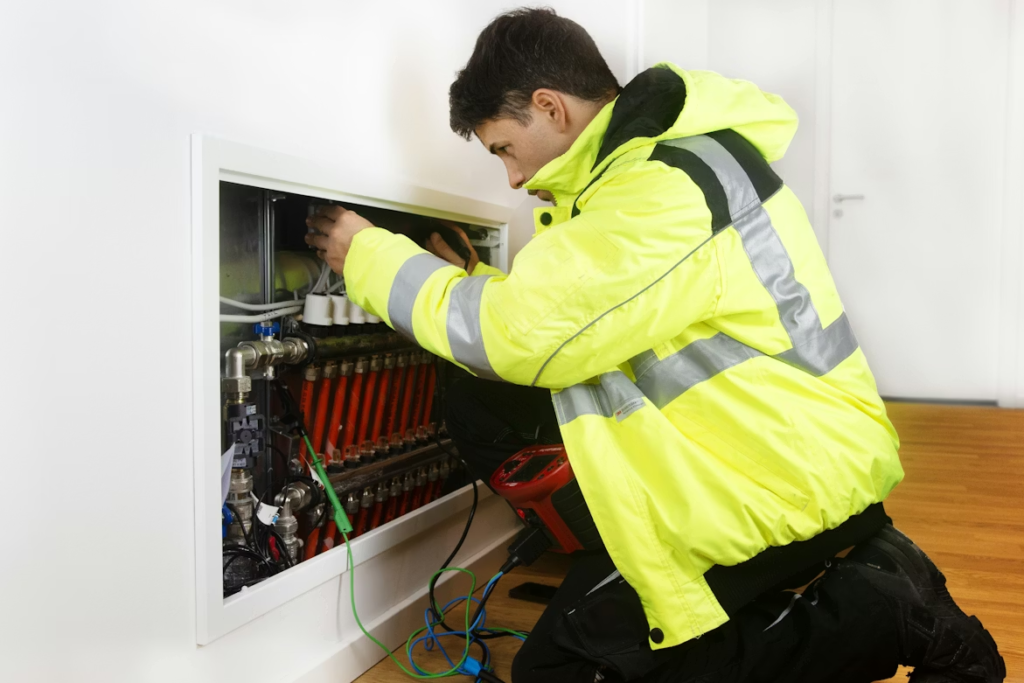
Image from Unsplash.com
Maintaining a home requires constant attention as the weather begins to shift. Seasonal transitions put a lot of strain on older infrastructure, forcing hidden issues to the surface. Ignoring the early warning signs of system wear can lead to expensive property damage. Homeowners can protect their budgets by recognizing small changes in performance early.
Uneven Temperatures and Weak Airflow
Rooms that remain chilly when others overheat signal a major malfunction in your ductwork or zoning controls. As explained by the team behind Genz-Ryan, booking a licensed technician early catches small technical defects before expensive emergencies happen. Experienced professionals use proper diagnostic tools to keep your major systems running safely.
Preventative maintenance visits provide long-term peace of mind as temperatures drop. Technicians check electrical connections, examine heat exchangers, and clear clogged drain lines. Investing in these routine service visits protects your valuable property from premature wear.
Unexplained Spikes in Utility Bills
Monthly utility statements often provide the first clues of mechanical trouble behind the scenes. A sudden rise in energy costs without any change in household usage points to a drop in system health. A recent blog post by a plumbing company noted that aging systems lose efficiency and work harder for the same result. Older units consume far more fuel just to keep up with basic settings.
When furnaces or water heaters deteriorate, they draw far more power to meet basic household needs. This extra strain drains your wallet and shortens the operational lifespan of the unit. Tracking monthly expenses can reveal these subtle drops in performance before total failure occurs. Regular filter changes can temporarily alleviate some pressure on these struggling systems.
Flickering Lights and Tripping Breakers
Electrical grids inside older residences face major stress when heating units cycle on frequently. Breakers that trip repeatedly indicate that the electrical panel cannot safely handle the current load. An industry article from a real estate group warned that an outdated or improperly installed electrical system is a significant fire and electrocution hazard lurking behind the walls. Broken breakers or loose wiring require immediate upgrades to prevent household accidents.
Flickering bulbs or buzzing outlets are clear warnings that require immediate attention from a professional. Neglecting these signs puts the safety of your entire household at risk. Upgrading weak circuits protects modern appliances from damage during seasonal power surges. Timely panel inspections prevent unexpected outages during severe winter storms.
Strange Odors or Small Leaks Near Bathrooms
Plumbing systems frequently develop hidden issues that manifest as faint smells or minor moisture spots. Home inspection experts explain that a failed toilet wax ring can cause odors or minor leakage at the base of a toilet. These tiny pools of water can quietly destroy subfloors beneath the tiles. Undetected moisture creates a perfect environment for structural wood rot behind your fixtures.
Persistent sewer scents mean gases are escaping into your living spaces instead of venting outside. Addressing these structural flaws prevents rot from spreading into adjacent rooms. Quick repairs protect the structural integrity of your bathroom floor. Homeowners should check water meters regularly to rule out hidden supply line leaks.
Frequent Cycling or Unusual Noises from the Furnace
Heating units should run in smooth, predictable patterns to maintain comfortable indoor temperatures. When a furnace turns on and off every few minutes, the equipment is experiencing short-cycling. This behavior strains electrical relays and burner assemblies. Thermostat malfunctions or restricted airflow can cause this rapid cycling behavior.
Listen closely to the mechanical noises coming from your utility closet this season. Certain sounds mean internal parts are failing:
- Loud banging noises indicate delayed ignition in the burners.
- High-pitched squealing suggests a frayed blower belt or failing motor bearings.
- Constant rattling points to loose panel screws or a cracked heat exchanger.
Addressing these sounds helps avoid complete heating failure during freezing nights. Timely component replacements save homeowners from costly middle-of-the-night emergency service fees. Keeping the area around your furnace clear cuts down on sudden fire hazards.
Slow Drains and Low Water Pressure
Main sewer lines and residential supply pipes face increased pressure as households spend more time indoors. Sinks that drain sluggishly often indicate deep main line blockages rather than simple hair clogs. Ignoring these clogs can lead to sewage backflows into tubs and showers. Severe tree root intrusion can completely collapse clay drainage pipes over time.
A sudden drop in water pressure reveals a potential pipe fracture or a severe mineral buildup. Ruptured lines behind drywall can cause thousands of dollars in hidden structural damage before showing up on the surface. Homeowners must monitor faucet performance to keep plumbing systems operating safely. Professional pipe scoping procedures provide an accurate view of underground main lines.
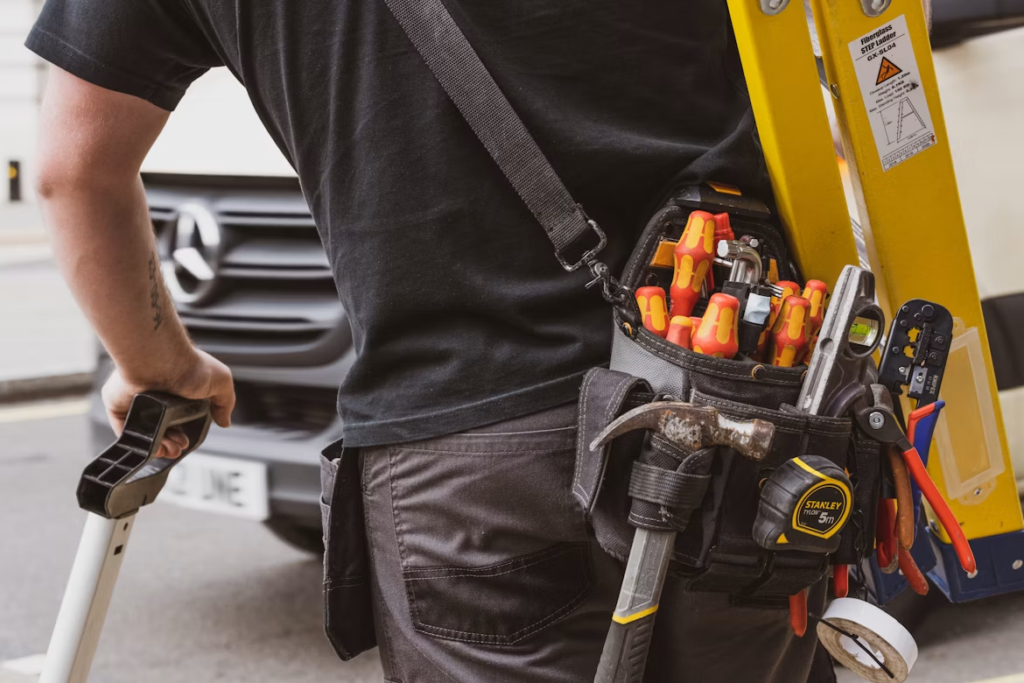
Image from Unsplash.com
Catching mechanical red flags early saves homeowners time, stress, and money during peak seasons. Staying observant allows you to address minor maintenance demands before they compromise your safety. Regular property evaluations keep home infrastructure running smoothly all year long. Investing in preventative care guarantees that your living space remains secure and comfortable through every seasonal shift.